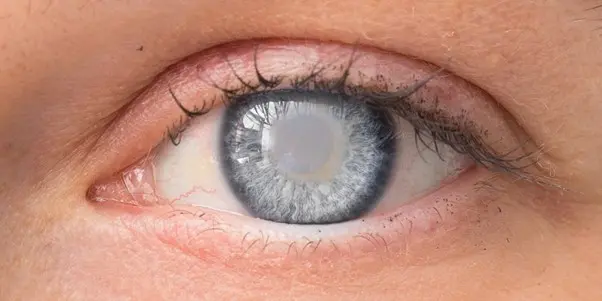
Cataracts are one of the most common eye conditions worldwide, and also one of the most misunderstood. Clearing up a few persistent myths can help patients seek treatment earlier and with far less anxiety.
Myth: A cataract is a film that grows over the eye.
Fact: A cataract is the clouding of the eye’s natural lens itself, not a film or growth on the surface of the eye. This clouding scatters and blocks light as it passes through the lens, which is what causes blurred, hazy, or dimmed vision.
Myth: Only elderly people get cataracts.
Fact: While age-related cataracts are the most common form, cataracts can also develop earlier due to diabetes, long-term steroid use, eye trauma, prior eye surgery, or even congenitally in some infants.
Myth: Cataract surgery is risky and should be delayed as long as possible.
Fact: Modern cataract surgery is one of the safest and most commonly performed procedures in medicine, with a very high success rate and typically a same-day recovery. Delaying surgery unnecessarily often means living with avoidably poor vision.
Myth: Eye drops or medication can treat cataracts.
Fact: No drop, medication, or exercise can reverse or dissolve a cataract once it has formed. Surgical removal and replacement with an artificial lens remains the only effective treatment.
Myth: Cataracts can grow back after surgery.
Fact: Once removed, a cataract does not return. Some patients later develop posterior capsule opacification, a clouding of the lens membrane left in place during surgery, which can mimic cataract symptoms but is easily and quickly treated with a simple outpatient laser procedure.
When to See a Specialist
If you’re noticing blurred vision, increased glare from headlights or sunlight, or colors that seem faded, it’s worth having your eyes examined. Early evaluation means more options and a clearer picture of when, or if, treatment is needed.