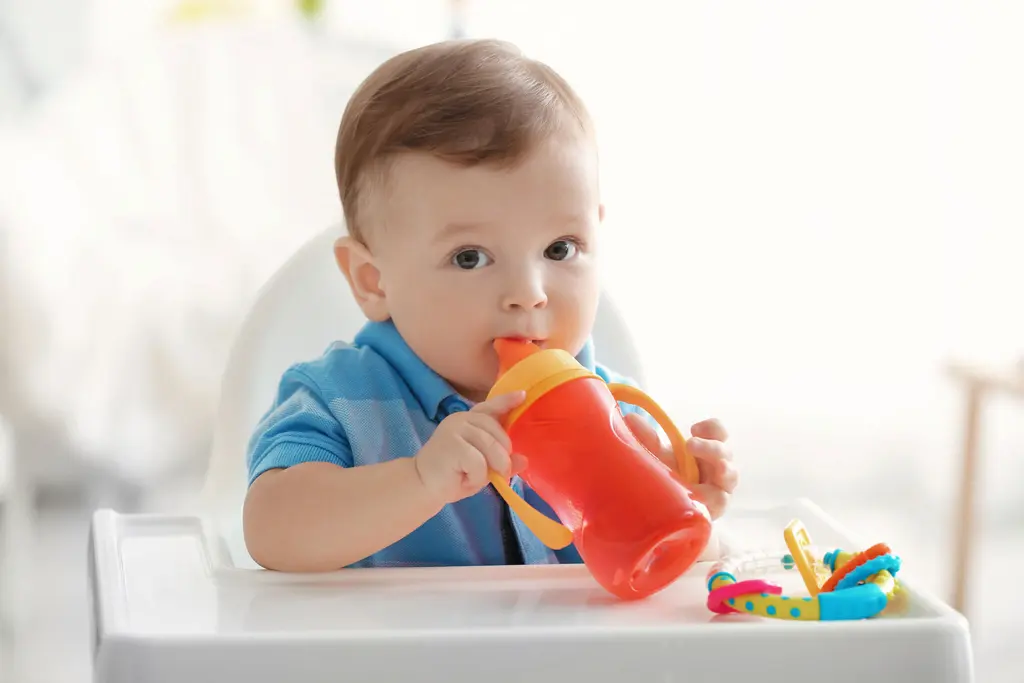
Sippy cups and bottles are a familiar part of early childhood, an easy way to keep toddlers hydrated and reduce spills during the transition away from breastfeeding or formula. But when their use stretches on well past the toddler years, or involves sugary drinks, they can quietly work against a child’s dental and oral development.
How Prolonged Use Affects Dental Health
The biggest concern with extended bottle or sippy cup use is early childhood caries (ECC), commonly known as baby bottle tooth decay. When a child sips sugary liquids like milk, juice, or formula throughout the day, or falls asleep with a bottle, their teeth are exposed to sugar for long stretches at a time, creating an ideal environment for cavity-causing bacteria, particularly on the front teeth.
Effects on Oral Muscle Development and Speech
Frequent sucking on a bottle or sippy cup spout shapes how the mouth’s muscles develop. Prolonged use can contribute to tongue thrust and improper swallowing patterns, both of which can affect how teeth come in and, in some cases, influence speech development as a child grows.
Impact on Oral Posture and Breathing
Healthy oral development depends on the tongue resting naturally against the roof of the mouth. Extended sippy cup or bottle use can prevent children from developing this resting posture, which is linked to mouth breathing, narrow dental arches, and irregular jaw growth over time.
Bite Alignment Concerns
When a bottle or sippy cup is used as a pacifier substitute over a long period, the repetitive sucking motion can gradually alter a child’s bite, sometimes requiring orthodontic correction later on.
Practical Tips for Parents
Introduce a straw cup or open cup between 6 and 12 months of age. Treat the sippy cup as a short transition tool, not a long-term habit. Avoid sugary drinks between meals, offer water instead. Schedule your child’s first dental visit early to catch issues before they progress.
When to See a Pediatric Dentist
If you notice discoloration on your child’s teeth, resistance to brushing due to sensitivity, or your child is past 18 months and still relying heavily on a bottle or sippy cup, it’s worth scheduling a pediatric dental checkup. Early intervention is far easier, and less stressful for both parent and child, than correcting a problem later on.